Knock on Wood, Spin the Reel: The Slot Superstitions Players Swear By (And What's Really Going On)
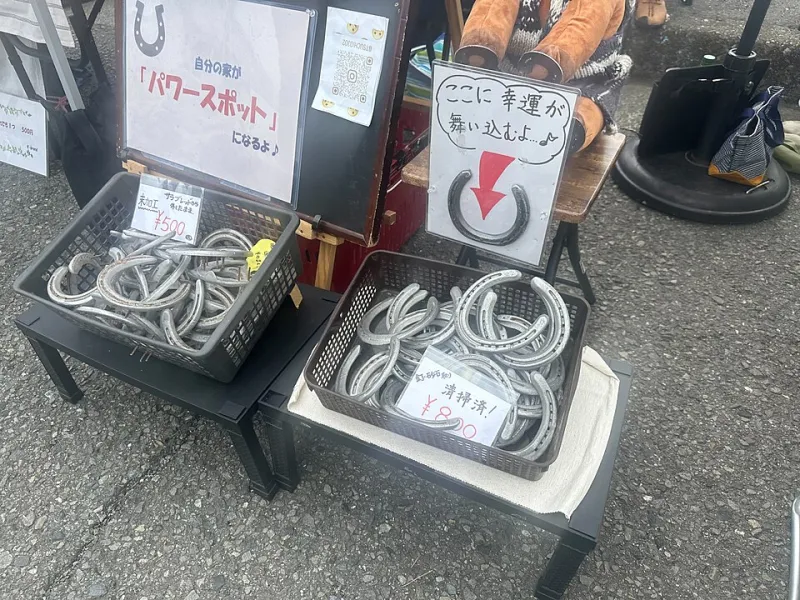
Photo: Nesnad, CC BY 4.0, via Wikimedia Commons
Let's be honest for a second. Most of us have done something a little ridiculous at a slot machine. Maybe you crossed your fingers before a big spin. Maybe you always sit in the same seat when you log on. Maybe — and there's no judgment here — you have a specific playlist that you're convinced brings better luck.
You're not alone. Not even close.
Slot players across the country have developed elaborate personal rituals that would look completely bonkers to an outside observer but feel completely logical in the moment. And here's the wild part: even players who know slots run on random number generators, who could explain the math behind it all, still find themselves doing the knock-three-times thing before they hit spin.
So what's actually going on? Let's get into it.
The Greatest Hits of Slot Superstitions
Before we start analyzing, let's appreciate the creativity here. The slot superstition hall of fame includes some genuinely spectacular entries.
The Lucky Seat is maybe the most common one. Players become deeply attached to a specific machine or, in the online world, a specific game in their favorites list. The reasoning is fuzzy — something like "I won $80 on this one last Tuesday" — but the attachment is rock solid. Sit somewhere else? Unthinkable.
Timing the Spin is another big one. Some players believe that spinning at a specific second on the clock — say, right when the minute turns over — gives them an edge. Others swear by spinning immediately after a loss, convinced the machine is "due" to pay out. We'll come back to that one.
Lucky Charms on Deck shows up constantly. A rabbit's foot next to the keyboard. A specific coffee mug that has to be present. One player we heard from keeps a small figurine of a black cat (yes, the supposedly unlucky kind) next to their monitor because it won them a jackpot once and they've never questioned it since.
The Warm-Up Ritual involves a specific sequence of actions before the actual session begins — checking the balance a certain way, clicking through the lobby in a particular order, maybe even saying something out loud. It sounds like pregame prep for an athlete, which, honestly, isn't that far off psychologically.
Blowing on the Screen or Fingers is a classic that migrated straight from physical casinos into online play. There's zero mechanical reason this does anything. Players know this. They do it anyway.
Why Our Brains Love a Good Ritual
Here's where it gets genuinely interesting. Psychologists have a term for what's happening: magical thinking. It's the tendency to see causal connections between things that aren't actually connected. And before you feel embarrassed about it, know this — magical thinking is deeply human. It shows up across cultures, age groups, and intelligence levels. Your brain is not broken. It's just doing what brains do.
The core mechanism is something called operant conditioning, the same process that makes dogs respond to treats. When a behavior is followed by a reward — even randomly — the brain starts tagging that behavior as meaningful. You happened to tap the screen twice right before a nice win? Your brain quietly files that away. Do it again. See what happens.
The random nature of slots actually amplifies this effect. In behavioral psychology, a variable ratio reinforcement schedule — where rewards come unpredictably — creates stronger habit formation than predictable rewards do. Slot machines, by design, are the ultimate variable ratio reinforcement machines. Every spin is a new roll of the dice, and your brain is desperately trying to find the pattern.
Spoiler: there is no pattern. But your brain doesn't love hearing that.
The "Due Machine" Myth Deserves Its Own Section
The belief that a machine is "due" for a payout after a long dry stretch is so widespread it has its own name: the gambler's fallacy. The logic feels airtight — surely after 40 losing spins, a win has to be coming, right?
Nope. Each spin on a properly functioning slot is statistically independent. The game has no memory. It doesn't know you've been spinning for an hour. The random number generator produces a fresh result every single time, completely uninfluenced by what came before.
This is one of those facts that's easy to understand and genuinely hard to feel. Our brains are pattern-recognition machines, and streaks — whether winning or losing — feel deeply meaningful to us. Accepting true randomness is almost counterintuitive.
Knowing this doesn't make the feeling go away, which is part of what makes superstitions so sticky. You can hold the correct information in your head and still feel the pull of the ritual.
The Part Where We Give Rituals Some Credit
Okay, here's the flip side: rituals aren't entirely useless. They just don't work the way players think they do.
What a pre-spin ritual can do is provide a sense of control and calm in an activity that is, by nature, unpredictable. Sports psychologists have studied this extensively — athletes who perform consistent pre-game routines often perform better, not because the routine is magic, but because it signals to the brain that it's time to focus and reduces anxiety.
For casual slot players, a little ritual might actually make the experience more enjoyable. It creates a sense of personal agency, a feeling of participation beyond just pressing a button. And enjoying yourself is kind of the whole point, right?
The key is knowing what the ritual is actually doing. It's not changing your odds. It's managing your headspace. Those are very different things, and keeping them straight is genuinely useful.
So Should You Ditch the Lucky Mug?
Absolutely not. Keep the mug. Keep the rabbit's foot. Keep the playlist.
Just hold those things for what they are — comfort objects and focus tools, not actual mechanisms for influencing a random number generator. The moment you start making real decisions based on superstition — chasing losses because you're "due," or betting more because your lucky charm is nearby — that's when a fun quirk becomes a problem.
The healthiest version of slot superstition looks something like this: you have your little rituals, you enjoy them for the personal flavor they add to your session, and then you make your actual decisions based on your budget and your enjoyment level. The lucky song plays in the background. The cat figurine watches over the monitor. And you spin with a smile, knowing full well that the reels don't know about any of it.
That's the sweet spot — a little magic, a lot of self-awareness, and a genuinely good time.
Now if you'll excuse us, we need to tap our keyboard three times before we hit publish on this. Old habits.